
The 50/50 Rule of Business
Getting a "no" on a sales proposal can instantly trigger self-doubt and frantic tweaking, but rejection isn't a sign that something went wrong—it’s just business showing up as expected. Learn how adopting the 50/50 Rule helps you stop burning energy on disappointment, embrace contrast, and keep your pipeline moving forward without losing momentum.

The Ruminator’s Fallacy: Your "What Ifs" Are Costing You the Future
Stop letting past results dictate your future potential. Learn how to use the Self Coaching Model to extract lessons from past events, eliminate the "wasteful activity" of regret, and leverage your prefrontal cortex to plan an extraordinary future.
"I Don't Know" is the Worst Lie You Tell Yourself
In coaching, we call "confusion" an indulgent emotion.
Unlike "clean pain" or "useful discomfort", confusion produces exactly nothing. It is a mental loop. It’s the equivalent of spinning your tires in the mud and wondering why you aren't at your destination yet.

The Power of the “Worthy Fail”: Why You Should Plan for 25 Epic Failures This Quarter
The fastest way to grow isn’t avoiding failure—it’s planning for it. Most people unknowingly spend their time on “escape failures” that keep them busy but safe. But real growth comes from worthy failures: bold attempts at things that might not work. What if your goal this quarter wasn’t success—but 25 epic, worthy fails?
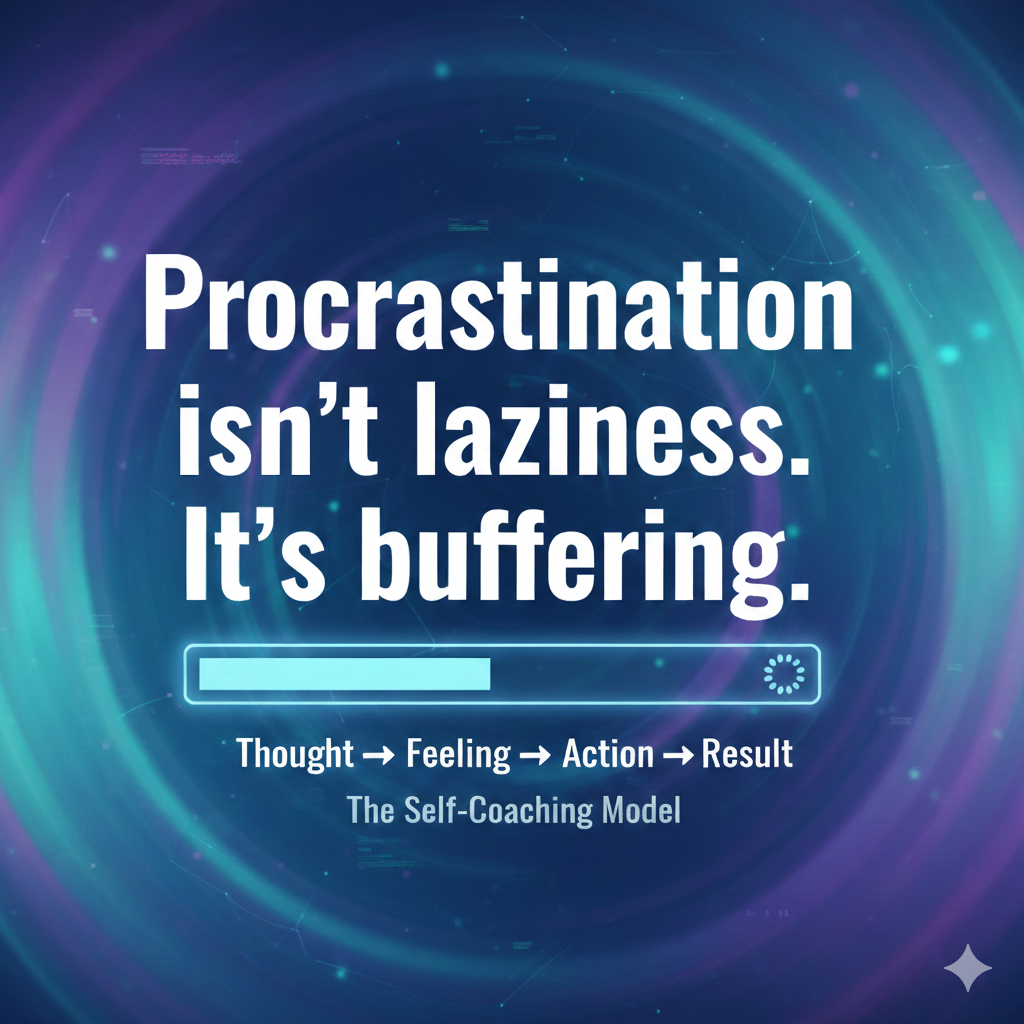
Procrastination Isn’t Laziness. It’s Buffering.
You’re not procrastinating because you’re lazy. You’re procrastinating because you’re trying to avoid how the work makes you feel — overwhelmed, confused, exposed, or inadequate. In The Life Coach School Model, procrastination is simply the action that follows an uncomfortable emotion. When you learn to allow the feeling instead of buffering it away, everything changes.
What Executive Coaching Is — and What It Isn’t
Executive coaching is often misunderstood. It isn’t therapy, consulting, or motivational conversation. It is a structured, performance-focused partnership designed to sharpen how you think, decide, and lead. Here are five things executive coaching is — and five things it isn’t.
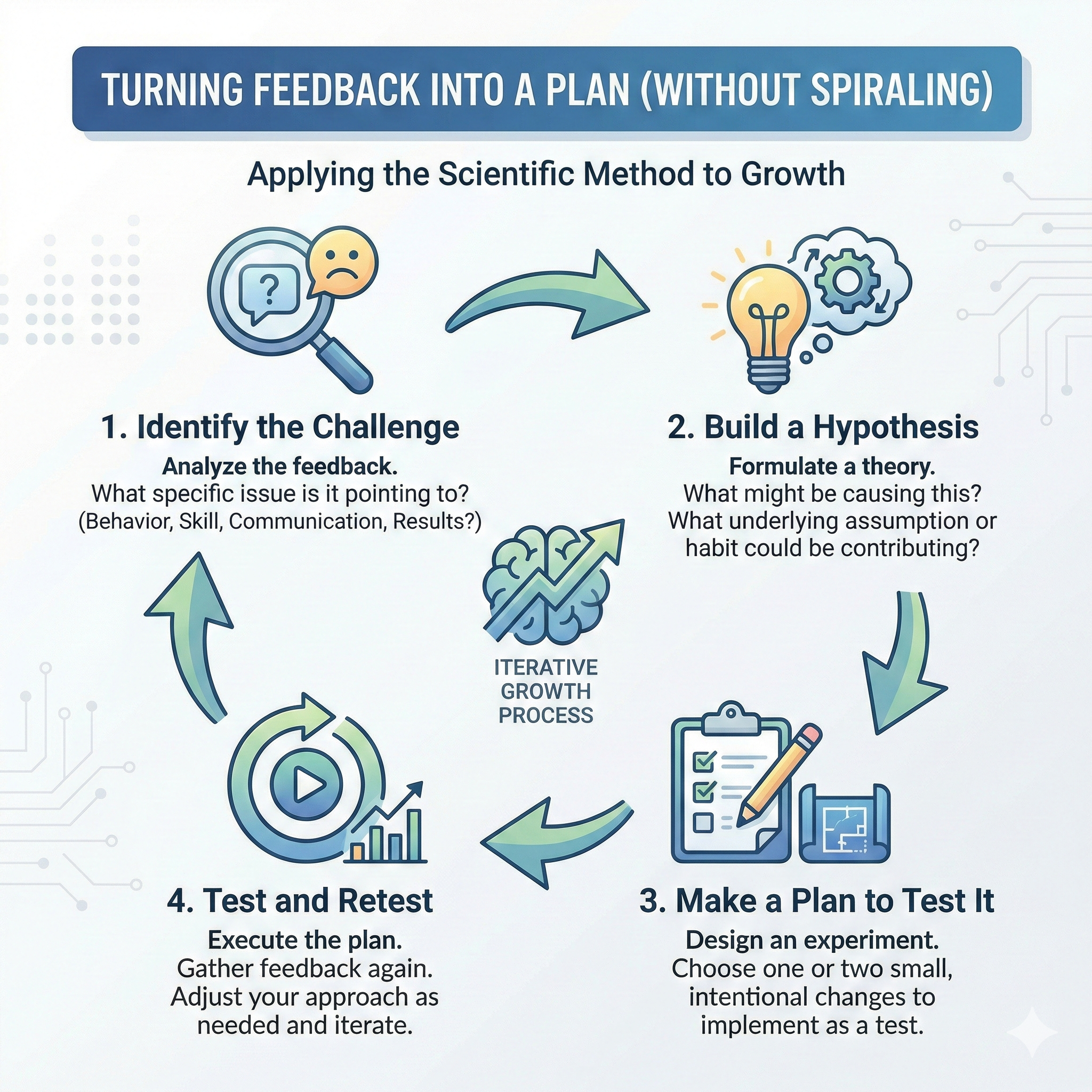
Why Feedback Feels Personal (Even When It’s Not)
Performance reviews have a reputation for being stressful, awkward, and emotionally charged. Many leaders dread them—whether they’re early in their careers or sitting in the executive seat.
But here’s the uncomfortable truth: performance reviews aren’t inherently painful. They only feel that way because of what we tell ourselves about them.
What if you went into your next feedback conversation genuinely curious—maybe even excited—to hear what someone sees that you can’t? And by excited, I don’t mean forced positivity. You can’t lie to yourself about how you feel. But you can understand why feedback feels the way it does—and change your relationship to it.
When Confidence Drops at the Executive Level—and Why It’s Normal
Executive positions don’t come with automatic confidence. It actually declines when you move into higher level roles or take on new kinds of work.
Confidence is all about the way you think about yourself and your work. Read my latest blog post to learn how to manage your thoughts to build real self-trust.

Why Influencers Respond to Hate — and What That Teaches Us About Career Growth
Our brains are wired to fixate on criticism and perceived threats—but career growth requires a different focus. This post explores why we’re drawn to negative feedback (just like social media influencers) and how intentionally highlighting your wins, value, and impact is the real driver of professional growth.

When One Email Hijacks Your Joy
Ever had one message steal your peace? 💔
A client received an unexpected email from a family member outlining years of hurt she never knew existed. Her brain couldn’t let it go—even during joyful moments with loving family.
That’s not weakness. That’s your brain doing its job: scanning for danger.
One thought that helped her reclaim the present:
“It’s okay for them to be wrong about me.”
It didn’t fix the relationship.
But it did free her to enjoy the good that was already there.
You don’t have to sacrifice today’s peace to solve yesterday’s pain.
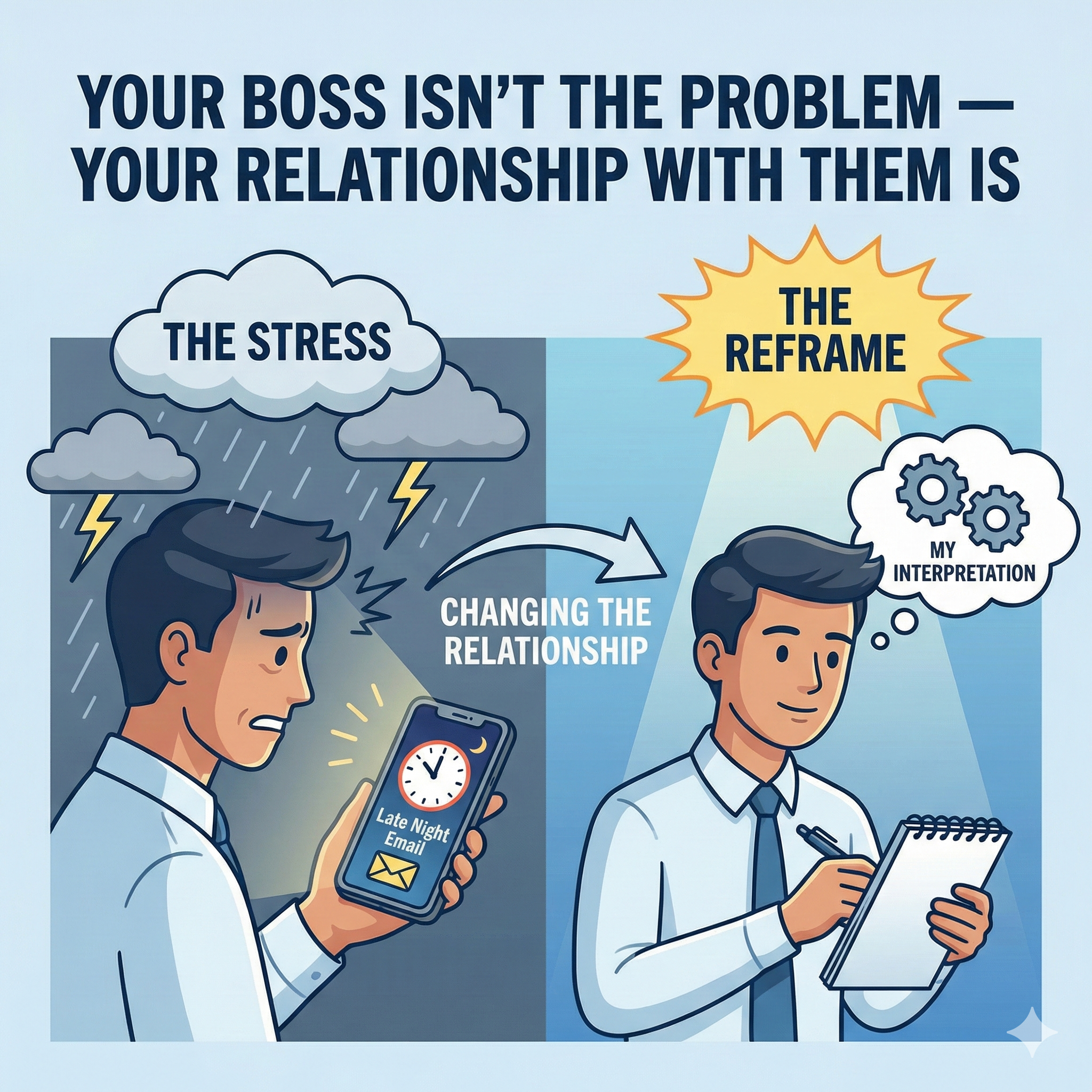
Your Boss Isn’t the Problem — Your Relationship With Them Is
Late-night emails. Repetitive requests. Growing impatience. Before you decide your boss is the problem, there’s a more powerful place to look — and it can change everything about how you experience the relationship.

When Strength Becomes a Cage
High-achieving professionals are often encouraged to play to their strengths.
It’s solid advice—until it quietly stops working.
Strengths help you build credibility, create momentum, and establish a reputation. They often become the reason you’re trusted, promoted, and relied upon. Over time, you may even become known for a particular way of thinking, leading, or delivering results.
And then, at some point, growth slows.
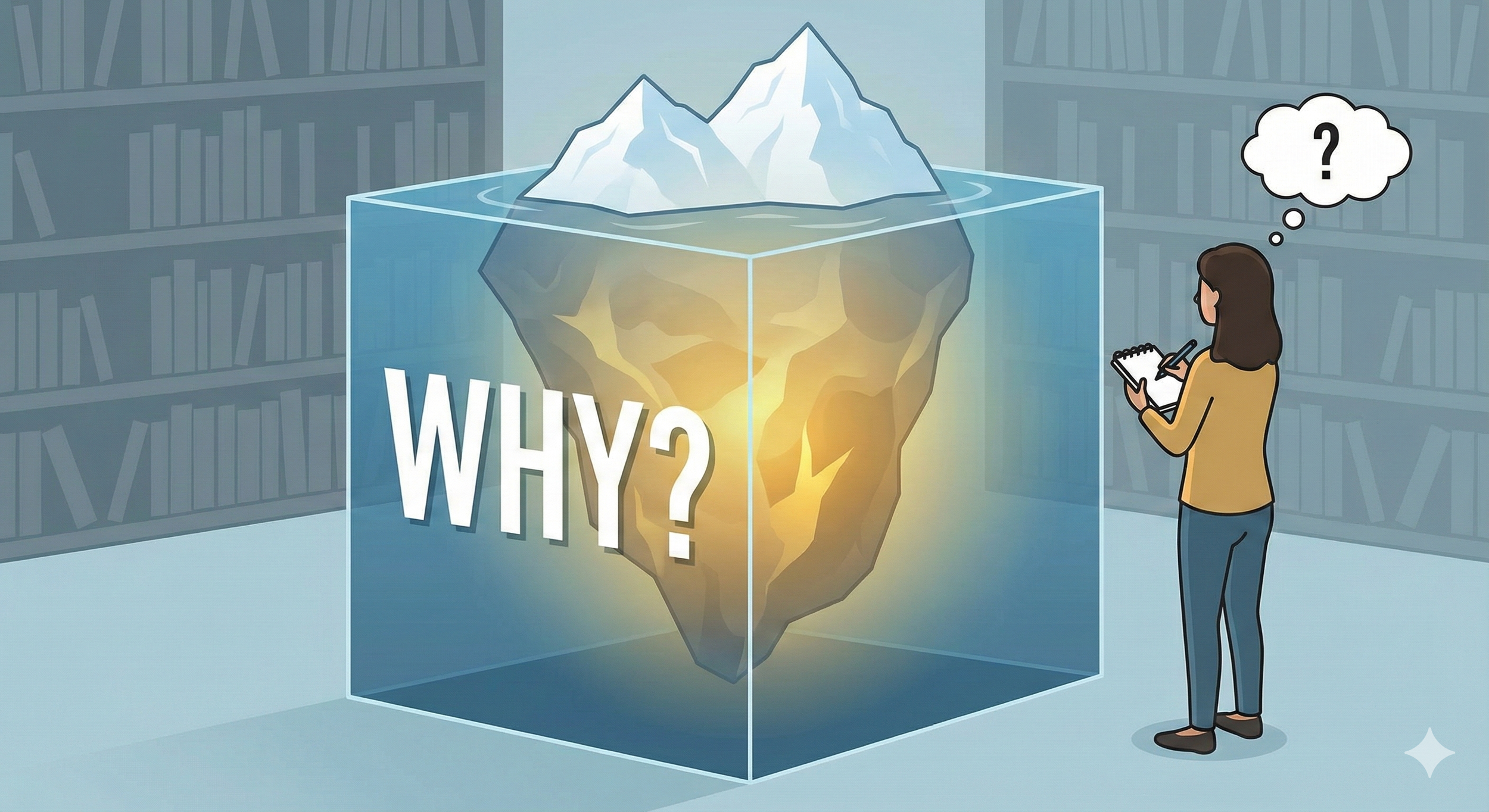
The Power of “Why?”
When you feel stuck—when you can’t quite name what you’re thinking or what you’re feeling—the most powerful question you can ask is: Why?
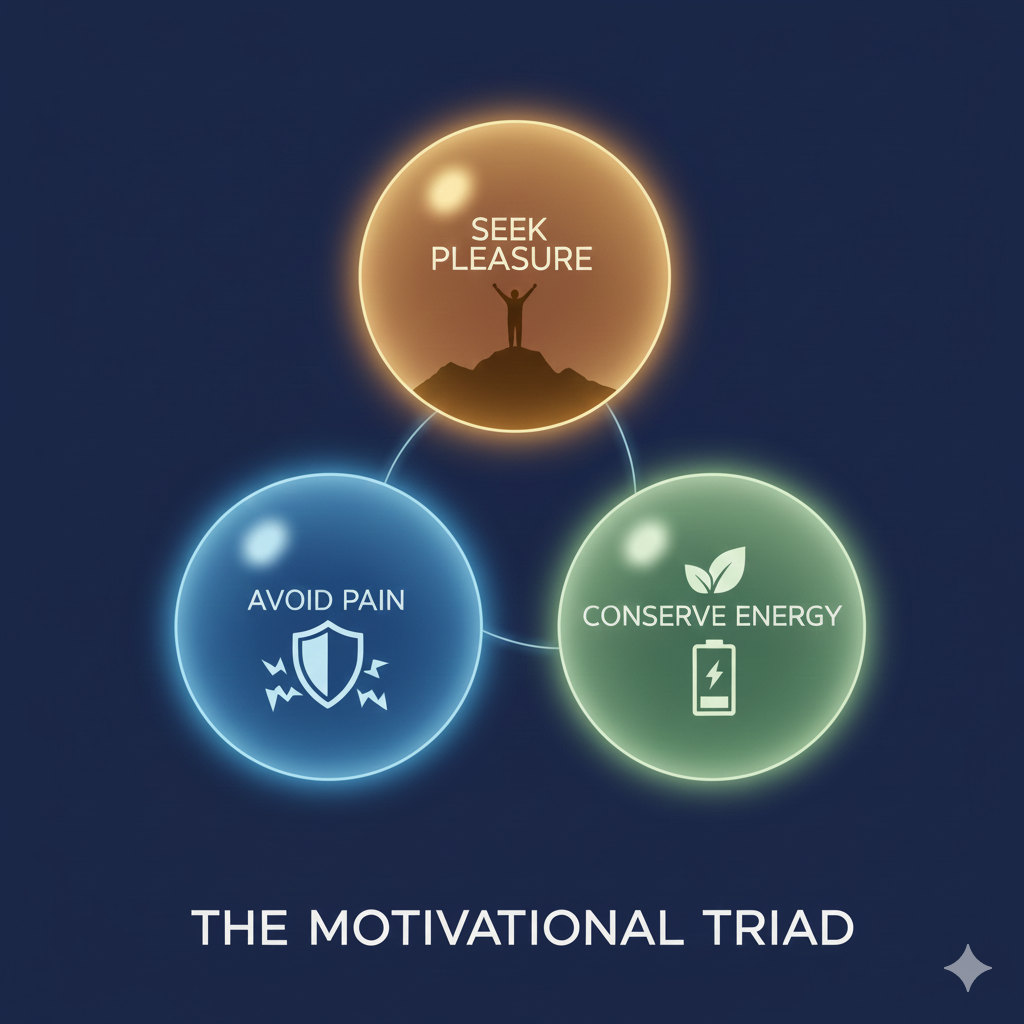
The Motivational Triad: Why Your Brain Resists Growth (And What to Do About It)
Every ambitious leader I coach eventually bumps into the same invisible barrier: their brain’s default wiring.
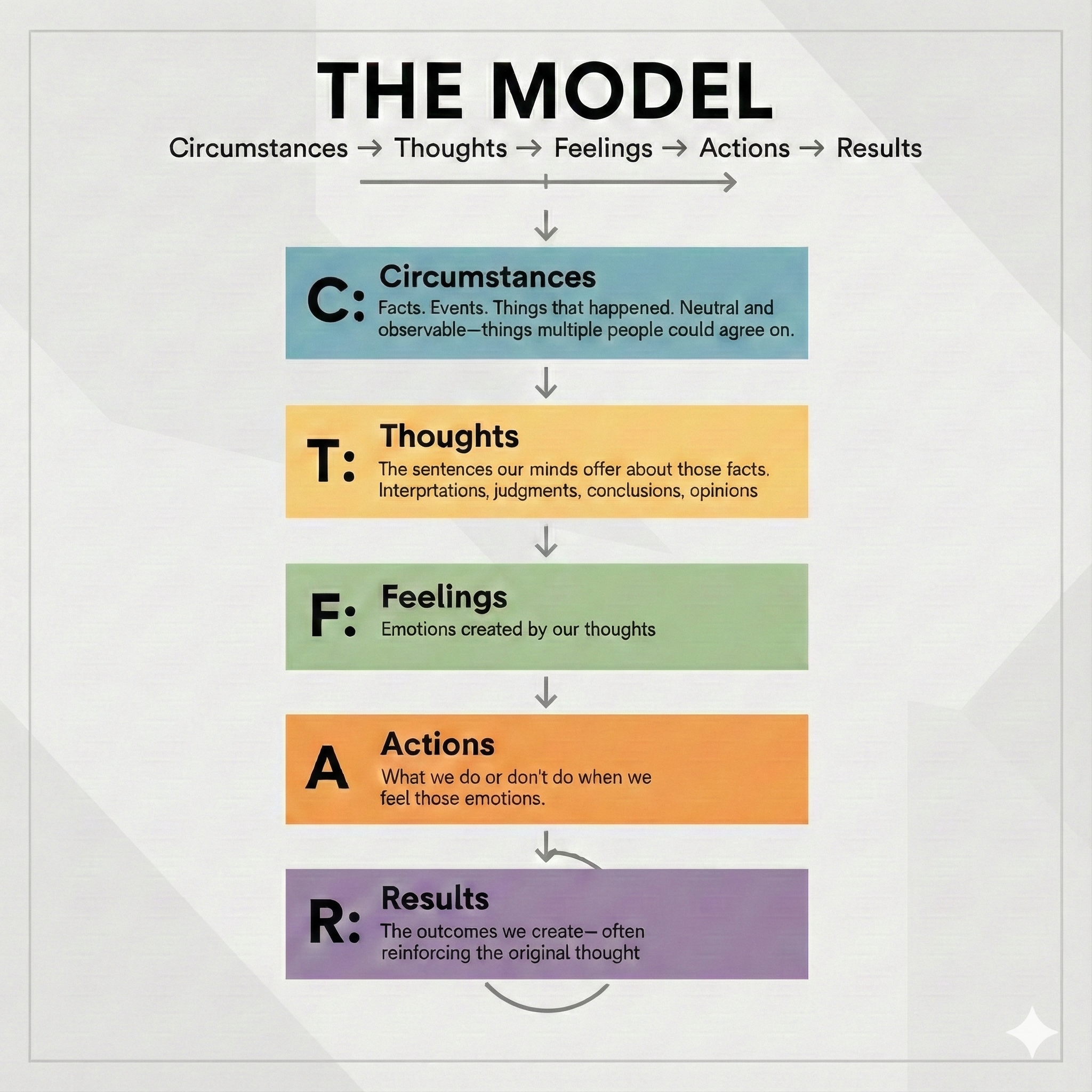
Why Your Brain Loves Turning Opinions Into Facts
The Model is a framework for understanding what’s happening with our thoughts and how those thoughts create results.

Manuals: The Hidden Expectations That Keep You Stuck
You probably have a secret rule book for the people in your life — even if you don’t realize it.

Stop Rambling: Build a Career Story
One of the most important parts of interview prep is building a crisp, intentional narrative. And you need two versions:
The story of your career — a 5-minute overview of how you built your skills.
How your skills directly map to the job you’re applying for.

Why Most Goals Fail — and the Simple Fix That Makes Yours Stick
Most leaders are great at setting goals. We map out the year, the quarter, the month, the week. We look ahead, choose a target, and get excited about where we're going.
But here’s the part almost everyone skips:
Planning for the obstacles.